We write the task down first
We write down how the work runs today, where the same details get typed twice, and which steps must stay with a person. That document is yours, whether or not we build the automation.
One repetitive task at a time, at a fixed price. Every step is logged, and a person still decides anything that costs money.
Between an enquiry and a sale, or between a document and the system it belongs in, there are usually a few steps done by hand. They exist only because nobody connected the two ends. We automate one of these tasks at a time, at a fixed price. Every step is logged, and a person stays in charge of any decision that costs money.
Businesses whose enquiries go cold in an inbox, and whose quotes and invoices get typed into three different tools. Also teams who spend afternoons filling in the same forms on other websites.
We write down how the work runs today, where the same details get typed twice, and which steps must stay with a person. That document is yours, whether or not we build the automation.
A form or an ad creates the enquiry. The CRM receives it with its source, a WhatsApp message goes out, a call is made and the callback is booked. Every step is tracked.
Documents are turned into data and passed to your accounting and e-invoicing software. A person confirms anything the system wasn't sure about.
Press publish in the editing screen and the live site rebuilds with the new content. No slow live database, and no request to a developer.
Repetitive work on portals and internal systems runs on a schedule and retries when it fails. Every run shows on a screen your team can watch.
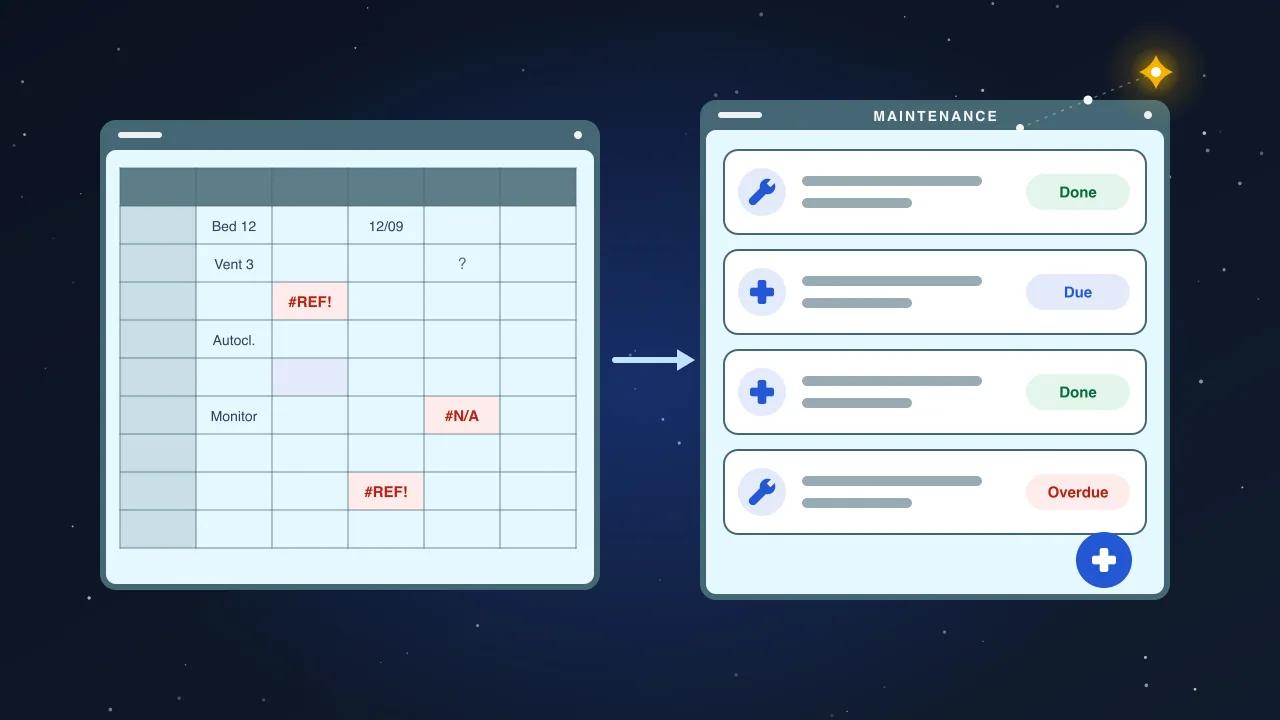
Spreadsheets are the right tool until the day three people edit the same one, nobody knows which version is true, and a missed row costs money. This is how to tell when that day has come, and what to build instead.
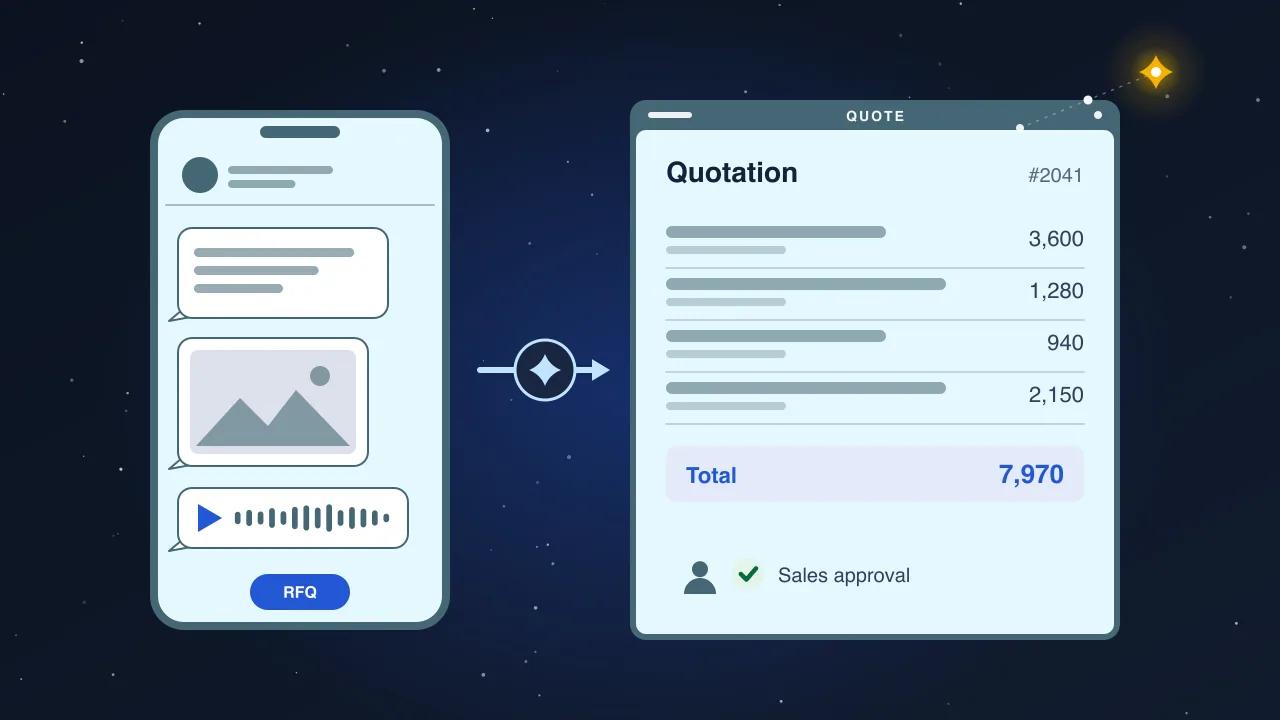
Read moreMost requests for quotation arrive as a WhatsApp message, a voice note or a photographed spec sheet. An assistant can read them, match them to your catalogue and draft the quote. What it must never do is set the price or promise stock.
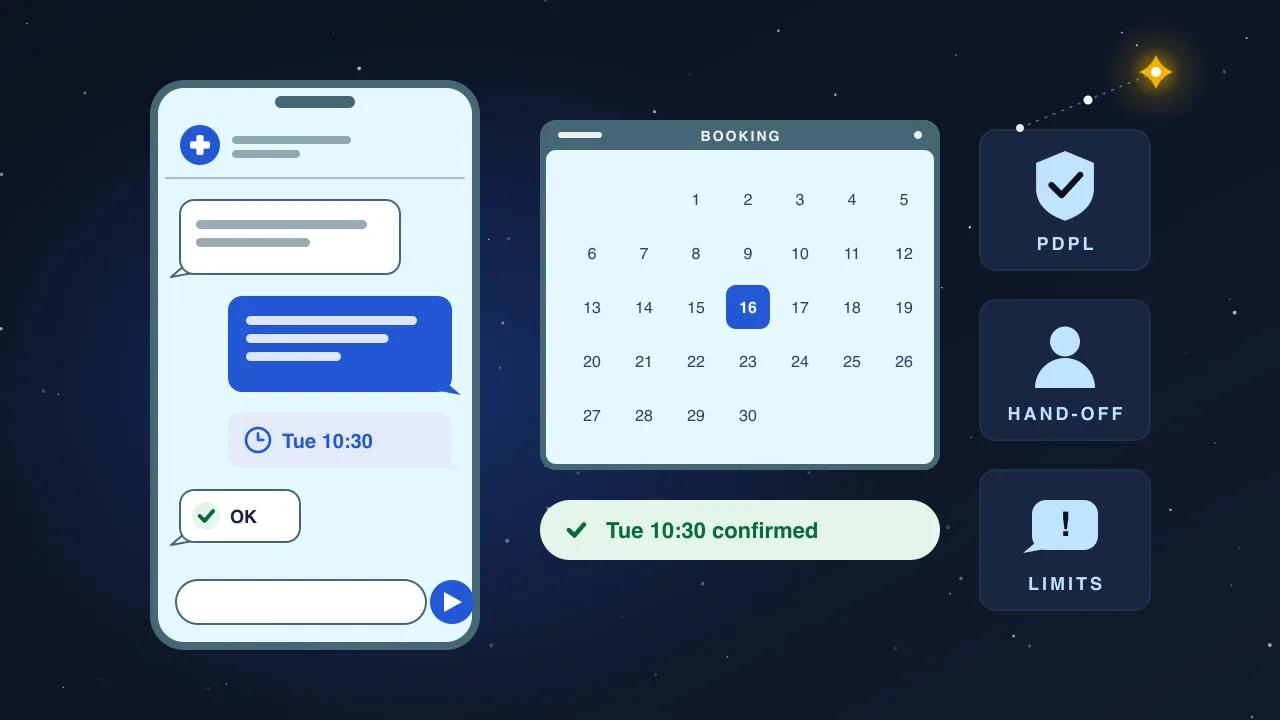
Read moreA clinic assistant should do four things well: book, remind, answer the practical questions, and hand the rest to a person with the conversation attached. Everything clinical is the rest. Here is the checklist we build against.
Read moreThe ones you already use: CRMs with an API, Meta and Google ads, WhatsApp through an approved provider and accounting software. Spreadsheets too, while they still hold the real numbers.
Every step is logged and retried, and failures alert us. The maintenance plan covers the fix. An automation nobody looks after will break one day, which is why we don't build it and leave.
We quote one task after a written review of how it runs today. Work across several systems, such as reading documents into an ERP and an invoicing tool, is scoped separately. Both come with a maintenance plan.
Describe one task as it runs today. You'll get a written plan of what can be automated, what needs a person, and a fixed price for the first step.
Or describe one task and a person replies within one working day.